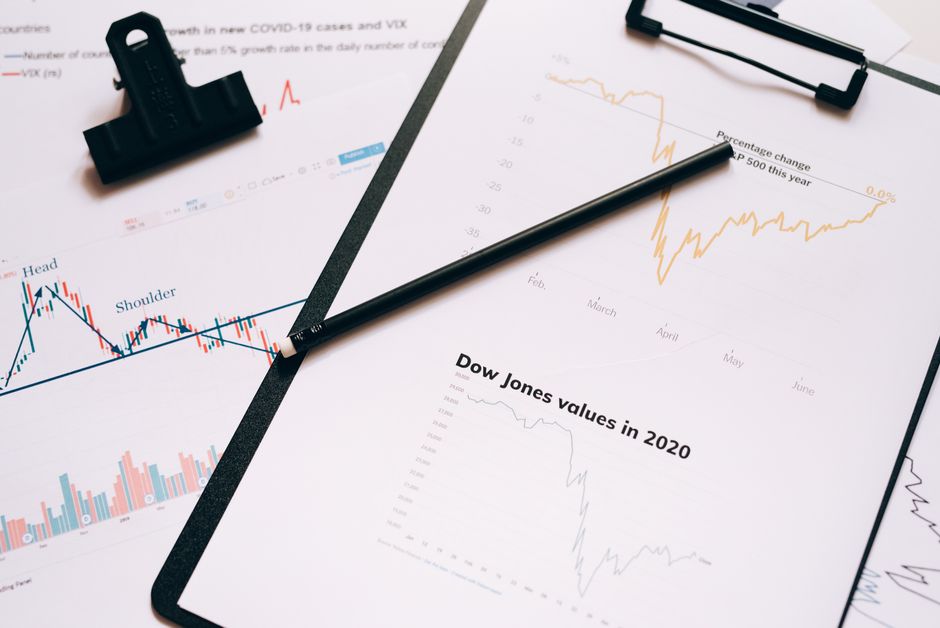
On Tuesday morning, Wall Street traders watched the Dow Jones Industrial Average bob and weave in early trading, echoing the cautious optimism that has characterized New York City’s economic recovery this autumn. The index, a bellwether for blue-chip stocks, has seen sharp reversals over the past two weeks, driven by fluctuating inflation data, renewed labor negotiations, and uncertainty around Federal Reserve policy. Midtown finance executives, gathered near Bryant Park for pre-market briefings, expressed both relief at continued growth and anxiety over sudden drops that challenge portfolio stability.
At the heart of these swings is a patchwork of economic signals. While the city’s unemployment rate edged down in August and corporate earnings remain solid for many Manhattan-based firms, investors remain sensitive to hints of rate hikes or global instability. Last Friday, several trading desks at large banks along Park Avenue South reported heavy volumes as the Dow dipped nearly 300 points before recovering by the closing bell. This volatility, sources say, is pushing asset managers to tighten risk controls and reassess exposure to sectors most vulnerable to a slowdown, such as commercial real estate and tech.
The mood among small business owners in neighborhoods like Flatiron and Tribeca is also shifting. Many report seeing an uptick in foot traffic this September, as families return from summer vacations and office attendance ticks up. However, their optimism is tempered by the knowledge that consumer sentiment closely tracks stock market health. “When the Dow dives, we feel it almost immediately in our daily receipts,” said the owner of a specialty coffee shop on West 23rd Street. “People get more cautious, even with small purchases.”
New York’s financial institutions are watching closely for signals that could stabilize or further roil the market. Some private wealth advisors, speaking on background, noted that clients are asking more questions about defensive strategies and alternative investments. “There’s a real sense of whiplash,” said a senior analyst at a Midtown investment firm. “We’re not in crisis mode, but the old playbook isn’t working this fall. Every week brings a new twist.”
The city’s commercial real estate market, traditionally sensitive to Dow trends, is feeling the effects as well. Recent fluctuations have slowed negotiations on several high-profile leases in Hudson Yards and the Financial District. Brokers say some tenants are requesting shorter lease terms or pandemic-era concessions, wary of committing to long-term obligations as equity markets gyrate. This caution is mirrored in ongoing conversations about the future of office demand, especially with hybrid work patterns persisting into the new school year.
Tech startups, a growing force in Brooklyn and Lower Manhattan, are handling the choppiness with mixed results. While venture capital flows remain relatively strong, founders report longer due diligence cycles and more pointed questions about profitability. “When the Dow is bouncing around, it’s harder to close a round quickly,” said a Dumbo-based fintech CEO. “Investors want to see a path to sustainable growth, not just a good idea.”
Despite the jitters, some sectors are finding opportunity in the volatility. Asset managers specializing in commodities and alternative assets have seen increased interest, as institutional investors seek hedges against equity swings. Meanwhile, tourism and hospitality leaders note that a weaker dollar, tied in part to market fluctuations, is drawing more foreign visitors to city hotels and attractions, softening the blow for some local businesses.
Market historians point out that September has traditionally been a volatile month for equities, with New York’s global stature amplifying the impact. In past cycles, sudden corrections have sparked both local anxiety and innovation, as businesses adapt to new realities. This autumn, the interplay between Wall Street and the wider city economy feels especially tight, with every swing in the Dow rippling through offices, shops, and neighborhoods from the Bronx to Battery Park.
Looking ahead, market observers expect continued uncertainty as the Federal Reserve prepares for its next policy meeting later this month. The outcome could set the tone for the final quarter of the year, shaping not only investor portfolios but hiring plans, retail strategies, and the confidence of millions of New Yorkers. For city businesses, staying nimble—and closely watching the Dow Jones ticker—remains essential as the season unfolds.
Frequently Asked Questions
How has recent Dow Jones volatility affected New York City’s business sectors?
Recent Dow Jones volatility has impacted business sentiment and strategies across NYC, affecting sectors from finance to small businesses and real estate.
What impact has the Dow Jones swings had on small businesses in NYC?
Small businesses in neighborhoods like Flatiron and Tribeca report increased foot traffic but remain sensitive to stock market swings, with daily receipts affected when the Dow drops.
How are commercial real estate negotiations in NYC responding to Dow Jones fluctuations?
Commercial real estate negotiations in areas like Hudson Yards and the Financial District have slowed, with some tenants requesting shorter lease terms or concessions due to market volatility.
What are NYC tech startups experiencing amid Dow Jones fluctuations?
Tech startups in Brooklyn and Lower Manhattan are facing longer due diligence cycles and more investor scrutiny as a result of Dow Jones volatility.
How are financial institutions in NYC reacting to the recent market swings?
Financial institutions are tightening risk controls, reassessing sector exposure, and fielding more client questions about defensive strategies and alternative investments.

Leave a Comment