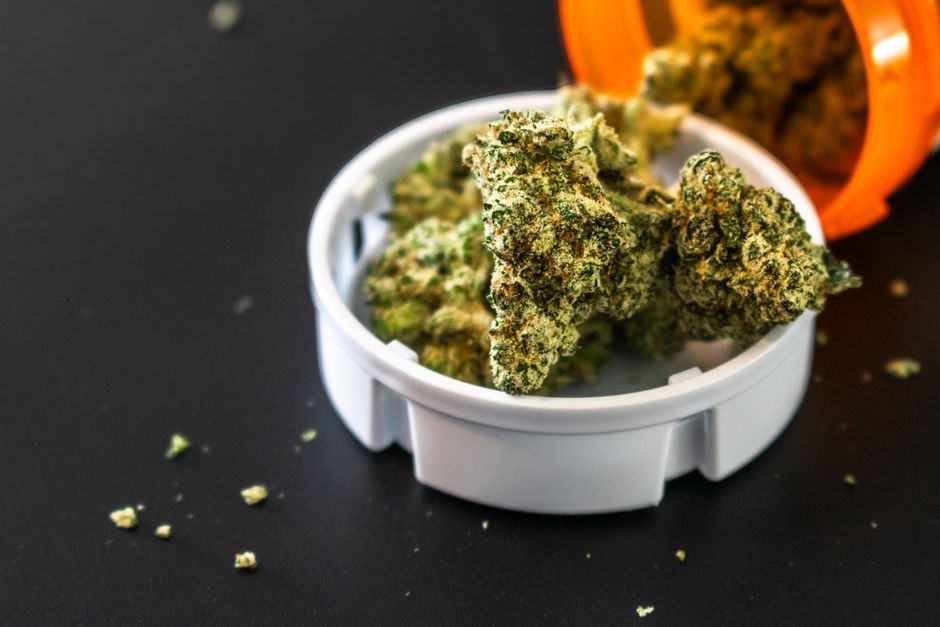
Legal marijuana is a $50 billion industry, and it may be about to get bigger. According to a column by the New York Post’s Charlie Gasparino, the federal government has moved to reclassify cannabis as a Schedule 3 drug, a category that allows doctors to prescribe it. The shift, Gasparino writes, is a major step toward broader legitimacy for an industry long stuck in regulatory limbo.
Gasparino, a 64-year-old self-described right-leaning skeptic who dislikes the smell of cannabis on New York City sidewalks, says he went in doubtful and came away impressed by the industry’s professionalism. A recent visit to a Connecticut dispensary, he writes, involved an ID check and a well-appointed showroom, with an experience he described as seamless. He also points to a product range beyond smoking, including gummies, ointments for muscle pain and uses tied to managing cancer symptoms.
His main stop was the Camarillo, California, farm of Glass House Brands, about 50 miles north of Los Angeles. The company, one of the largest cannabis operators in the country, recently listed on the NYSE under the symbol GLAS. President Graham Farrar, 49, who comes from a technology background rather than farming, led the tour. The operation spans six greenhouses across 165 acres. Farrar told Gasparino each greenhouse is roughly the width of two football fields and the length of eight.
Farrar pitched the company’s cost and sustainability model. He told Gasparino the farm grows in natural sunlight about 330 days a year, avoiding the grid-powered lighting that indoor growers pay for. Most of its power, he said, comes from three on-site natural gas cogeneration plants, whose heat warms the greenhouses and whose carbon dioxide feeds the plants. The company also has its own water supply. Gasparino contrasts that with the current debate over data centers straining local utilities.
The market, however, has not shared the enthusiasm. Gasparino notes that GLAS shares have fallen more than 80% since the July debut and more than 50% over the past five years. Investors, like the columnist, remain wary, and he also raises health concerns about smoking cannabis. Farrar acknowledged that smoking carries risks but argued the science favors cannabis over alternatives. He pointed to edibles as an option that avoids smoke and the aftereffects of alcohol.
Farrar laid out a bull case for investors. Most states already consider cannabis legal, he said, and reclassification is a big step toward full federal legalization, given bipartisan support. That, he argued, would open up more banking services for growers. He also said wider legalization brings regulation meant to keep cannabis away from minors. “People want cannabis, and the politicians know this,” Farrar told Gasparino.
For New York executives and investors, the column captures a tension in the sector. The product is moving toward the mainstream and the operators are growing more sophisticated, yet public-market investors have so far punished at least one high-profile listing. Whether federal reclassification changes that math is the question hanging over Pot Inc.
Frequently Asked Questions
What is Glass House Brands?
Glass House Brands is a large cannabis operator that recently listed on the NYSE under the symbol GLAS. It operates six greenhouses across 165 acres at its Camarillo, California farm, about 50 miles north of Los Angeles.
Why did Glass House Brands shares fall after its July debut?
According to the article, GLAS shares have fallen more than 80% since the July debut and more than 50% over the past five years. The article notes that investors remain wary despite the industry’s growing professionalism.
What does Schedule 3 reclassification mean for cannabis?
The federal government has moved to reclassify cannabis as a Schedule 3 drug, a category that would allow doctors to prescribe it. The article describes this as a major step toward broader legitimacy for an industry long stuck in regulatory limbo.
How does Glass House Brands power its farm?
The company says its farm grows in natural sunlight about 330 days a year and gets most of its power from three on-site natural gas cogeneration plants. Their heat warms the greenhouses and their carbon dioxide feeds the plants.
How big is the legal marijuana industry?
The article describes legal marijuana as a $50 billion industry that may be about to get bigger. This growth is tied to the possible federal reclassification to Schedule 3.

Leave a Comment